
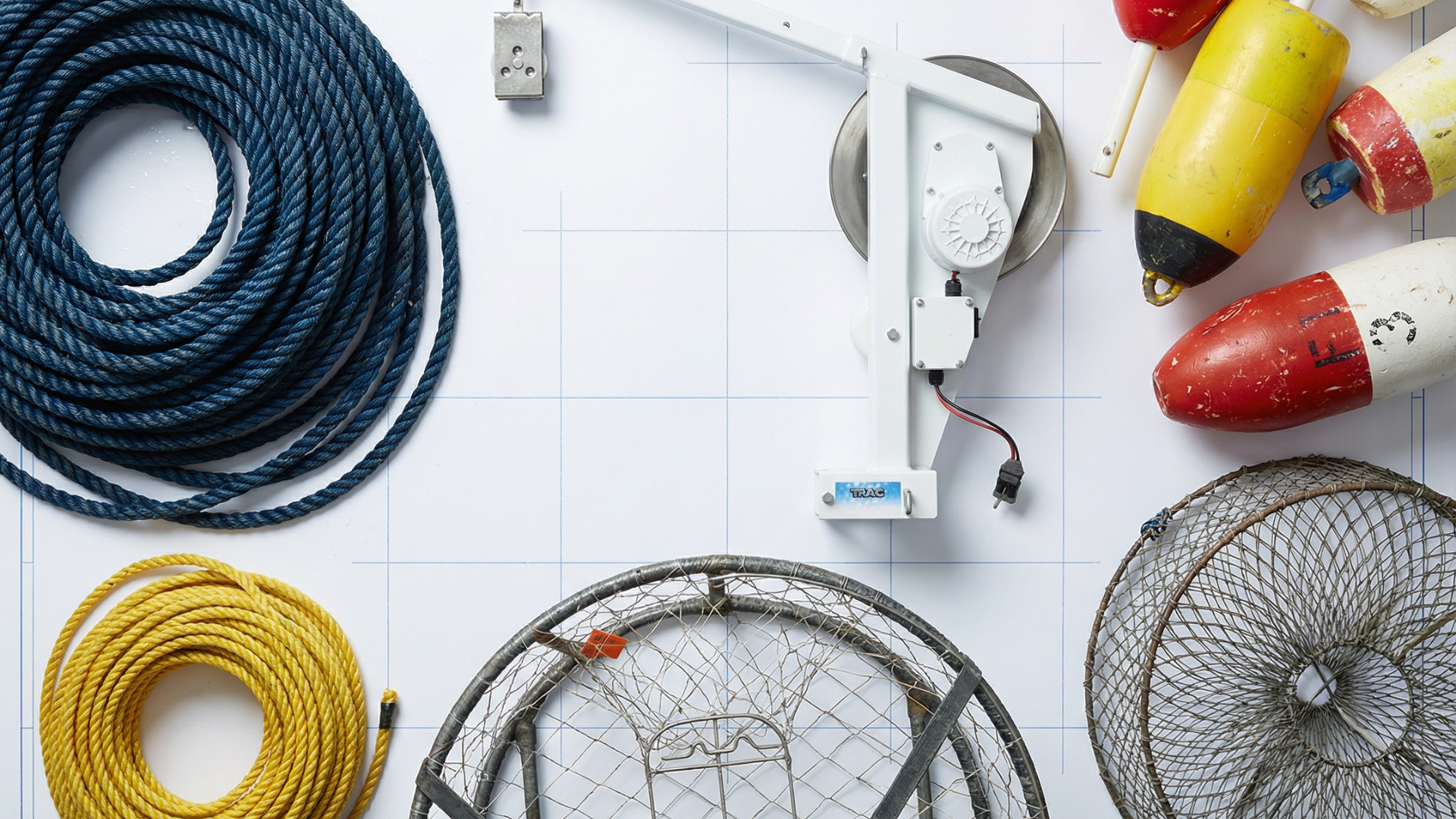
Commercial fishing supplies are the working tools behind shrimp and crab fisheries across the United States. From Gulf shrimp boats to Alaska crab vessels, the right shrimping gear, strong crab pots, and properly sized crab pot pullers help crews work safely and efficiently.
These tools are not optional upgrades. They are the foundation of daily operations. When commercial fishing supplies are matched correctly to the vessel and fishery, they reduce downtime, protect crew, and help maintain compliance with state and federal rules.
Go2Marine has supplied commercial fishermen since 1971. The experience behind this guide comes from decades of working with captains across Alaska, Washington, Oregon, and the Gulf Coast.
You can explore the full commercial fishing collection here:
https://www.go2marine.com/collections/commercial
What Equipment Do Commercial Shrimp and Crab Boats Use?
Commercial shrimp and crab boats use a mix of harvesting equipment and hauling systems. The exact setup depends on the species being targeted and the region where the boat operates.
In shrimp fisheries, operators may use trawl nets or shrimp pots. In crab fisheries, boats rely on commercial crab traps designed to handle repeated use in strong current. To retrieve gear from the water, most vessels use crab pot pullers or hydraulic pot haulers. A marine davit supports the hauling system and helps guide traps safely over the rail.
Other essential commercial fishing supplies include rope rated for depth, buoys, deck hardware, and replacement parts. Each part must be strong enough to support the full load of the operation.
What Shrimping Gear Is Used in Commercial Fisheries?

Shrimping gear varies depending on location. In the United States, most wild shrimp are harvested using trawl systems, while shrimp pots are primarily used for specific species such as spot prawns in the Pacific Northwest.
How Do Shrimp Trawl Nets Work in Gulf and Atlantic Fisheries?
In the Gulf of Mexico and parts of the Atlantic, shrimp are commonly caught using large trawl nets pulled behind the vessel. Boards called otter doors hold the net open while the boat moves forward. Shrimp are guided into the back of the net as it travels along the bottom.
A typical shrimping gear setup includes the net, towing rope, doors, and winches to raise and lower the system. The size of the net must match the engine power of the vessel. If the net is too large for the boat, it creates strain and reduces efficiency.
Federal law requires Turtle Excluder Devices and Bycatch Reduction Devices in certain shrimp fisheries. These regulations are enforced by NOAA Fisheries. Operators should confirm compliance before the season begins.
Regular inspection of nets, rope, and hardware helps prevent breakdowns during peak fishing periods.
When Are Shrimp Pots Used Instead of Trawl Nets?

In Washington, Oregon, and Alaska, many commercial shrimp fisheries, particularly those targeting spot prawns, primarily use pots rather than trawl nets. Shrimp pots are baited and lowered to the seabed. After soaking, they are retrieved using a shrimp pot puller.
A shrimp pot system usually includes commercial shrimp pots, rope rated for depth, surface buoys, and a davit to guide the pot safely onto the deck.
Some regions require biodegradable escape features made from natural fiber. Because regulations can change between seasons, captains should confirm current requirements with agencies such as WDFW, ODFW, or ADF&G before fishing.
You can browse crab and shrimp pots here:
https://www.go2marine.com/collections/crab-shrimp-pots
What Makes a Crab Pot Commercial Grade?

Commercial crab pots must handle strong current, heavy loads, and repeated hauling.
Strong crab traps use thick wire and solid frames. Heavier wire resists bending when pots are full. Protective features, such as zinc anodes, help reduce corrosion caused by electrolysis in saltwater environments.
Different fisheries use different styles of crab pots. Blue crab pots are often lighter and may fold flat. Dungeness crab pots are rigid and medium-weight. King crab pots used in Alaska are heavy steel traps designed for deep water conditions.
Heavier crab pots stay in place better in strong currents but require stronger crab pot pullers to lift them safely.
What Escape Ring Sizes and Rot Cord Are Required?
Most commercial crab fisheries require escape rings and biodegradable rot cord.

Escape rings allow smaller crabs to leave the trap. Ring sizes vary by species and state. For example, Dungeness crab in Oregon and Washington requires a 4 1/4 inch inside diameter ring, while king crab in Alaska requires a 6 1/4 inch ring.
Rot cord is made from natural fiber. If a pot is lost, the cord slowly weakens and creates an opening so crab can escape. Rot cord should be replaced at least once each season. Even if it appears strong, saltwater and sun exposure can weaken it over time.
Because regulations change, always confirm current requirements with the appropriate state agency before fishing.
How Do Crab Pot Pullers Work on Commercial Boats?
Crab pot pullers lift traps from the water using a powered wheel that grips the rope. These systems reduce strain on crew and improve hauling speed.
Is an Electric or Hydraulic Pot Hauler Better?

Electric crab pot pullers run on 12V or 24V battery systems. They are commonly used on smaller vessels or where pots are lighter.
Hydraulic pot haulers connect to the vessel’s hydraulic system and provide steady pulling power for heavier loads and deeper sets. They are often preferred in high-volume crab fisheries.
The right system depends on trap weight, hauling depth, and the boat’s power setup.
You can explore pot pullers and haulers here:
https://www.go2marine.com/collections/pot-pullers-haulers
How Much Pulling Capacity Is Needed?
To estimate hauling capacity, add together the empty pot weight, the wet rope weight from your deepest set, and the expected catch weight. Add a safety margin of about 25 percent.
Sizing hauling equipment for the heaviest possible load helps protect both the gear and the crew.
What Is a Marine Davit and Why Is It Important?
A marine davit supports the pot hauler and guides traps over the rail. Proper mounting is important because weak attachment points can fail under load.
Deck layout should allow clear rope handling and safe crew movement. Rope should not pile up where crew members stand.
You can browse marine hardware here:
https://www.go2marine.com/collections/marine-hardware
How Should Commercial Fishing Supplies Be Maintained?
Routine maintenance helps commercial fishing supplies last longer and perform better.
Electric systems should have clean, tight connections and stable voltage under load.
Hydraulic hoses should be inspected for cracks or leaks before and during the season.
Crab pots should be checked for bent frames, damaged mesh, and worn rot cord before being set.
Replacement parts are available in the commercial collection here:
https://www.go2marine.com/collections/commercial
Final Thoughts
Commercial fishing supplies should always be chosen based on how and where the vessel operates. The size of the boat, the depth of the fishing grounds, the weight of fully loaded traps, and the rules set by state and federal agencies all play an important role in equipment selection. Shrimping gear, crab pots, and crab pot pullers do not work independently. They function together as a complete system, where each part affects performance and safety.
When equipment is properly sized and maintained, it helps prevent strain on the vessel, reduces the risk of mechanical failure, and supports consistent daily operations. Understanding how hauling systems, trap construction, rope strength, and compliance requirements interact allows captains to evaluate equipment realistically before making a purchase. This knowledge helps ensure that investments in commercial fishing supplies support long-term reliability, regulatory compliance, and efficient harvesting throughout the season.