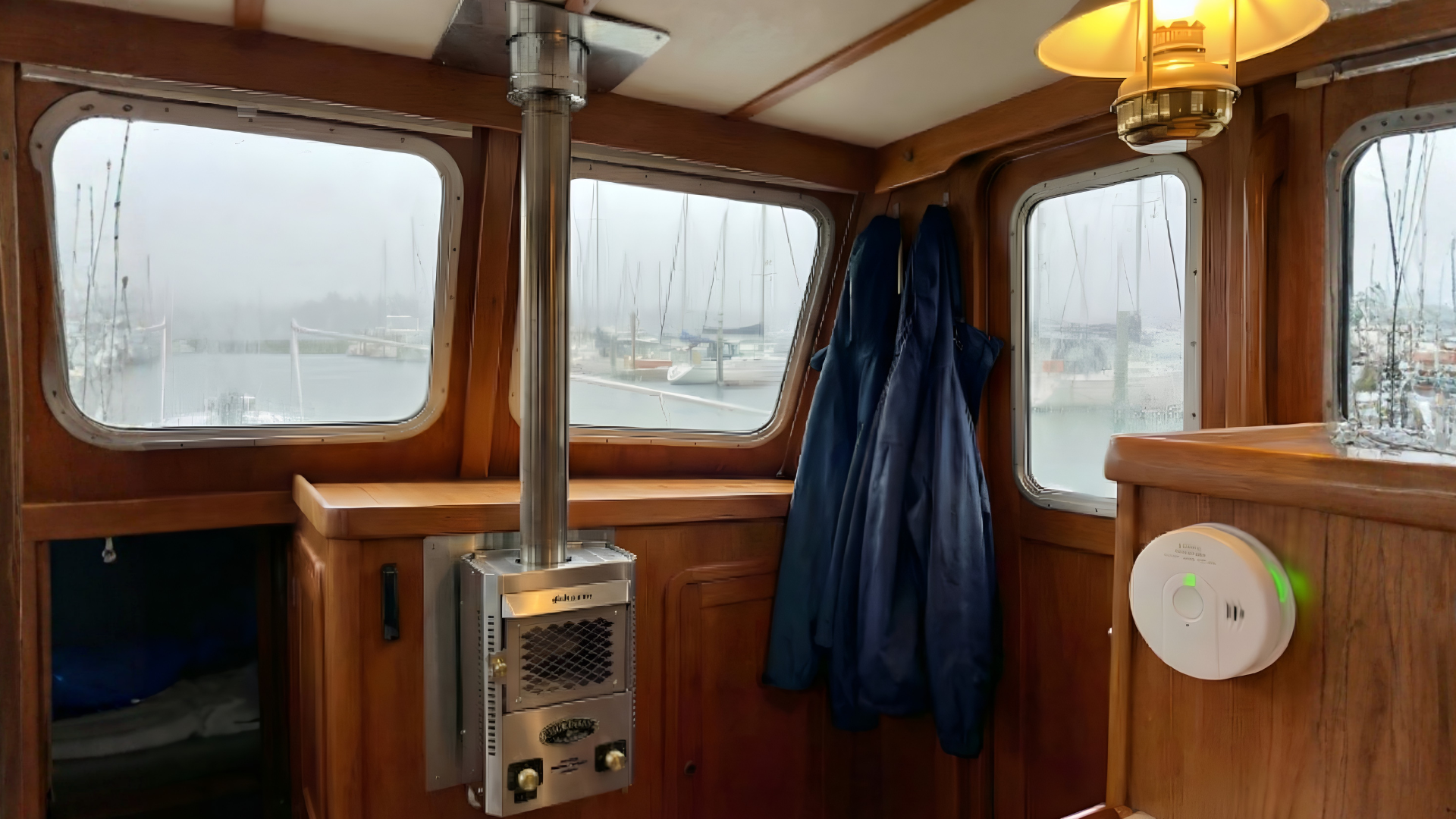
There is nothing worse than waking up on your boat and feeling cold air inside the cabin. The windows are wet with condensation, your hands feel stiff, and the cozy trip you planned suddenly feels uncomfortable. For many boaters in places like the Pacific Northwest, the Great Lakes, Alaska, and the Northeast, this is a normal part of the season.
A heater changes everything. It keeps the cabin warm, reduces moisture, protects your boat’s interior, and makes overnight trips much more comfortable. More importantly, it helps you boat longer into the colder months without worrying about safety or comfort.
In this guide, we will explain how a boat heater works, compare diesel, propane, and solid fuel options, and walk through important safety standards you should know before choosing a system. We will also point you toward trusted marine brands and Go2Marine collections so you can continue your research with confidence.
How Marine Heater Systems Work
A heating system works by burning fuel inside a sealed chamber and safely transferring that heat into the boat cabin while venting exhaust gases outside the hull to prevent carbon monoxide buildup.
A marine heater is designed specifically for enclosed boat spaces. Unlike portable household heaters, it uses controlled combustion and an exhaust system to move harmful gases out of the boat. This makes it safer and more suitable for life on a boat.
Most marine heating systems include a sealed combustion chamber, a heat exchanger, and an exhaust outlet. The sealed chamber keeps the flame and exhaust gases separate from the cabin air. The heat exchanger transfers warmth into the cabin without allowing smoke or fumes inside.
In a diesel boat heater, a 12V or 24V power supply is used to start the system and operate the controls. Once running, the heater burns diesel fuel and pushes warm air through ducts or circulates heated coolant in hydronic systems. In a propane boat heater or solid fuel system, ignition and operation may rely less on electricity, but proper ventilation and safe installation are still essential.
The most important safety rule for any boat heater is simple: combustion gases must always be vented outside the vessel. Proper exhaust routing and a carbon monoxide detector greatly reduce the risk of CO exposure inside the cabin.
Diesel Boat Heaters

For many cruisers and trawlers, a diesel boat heater is the most practical solution. Since most cruising boats already carry diesel fuel, adding a diesel heating system makes sense from both a safety and convenience standpoint.
A diesel heater pulls fuel from your onboard tank and ignites it using a glow plug. The fuel burns inside a sealed chamber, and a heat exchanger transfers warmth into the cabin. Warm air is distributed through ducting in forced-air systems, while hydronic systems circulate heated coolant through fan units or radiators. Exhaust gases are routed through a dedicated through-hull fitting.
Well-known marine manufacturers include Lofoten and Dickinson, both of which design marine-rated diesel heating systems used worldwide.
You can explore compatible options and related parts in the Go2Marine Heaters Collection.
How Much Fuel Does a Diesel Boat Heater Use?
Most small marine diesel heaters consume about 0.03 to 0.10 gallons per hour, depending on the model and output setting. That means running the heater overnight often uses less than half a gallon of diesel. Exact consumption varies by manufacturer and BTU rating, so always review the product’s technical specifications before installation.
Diesel heaters are popular because they are efficient, reliable in cold weather, and designed with sealed combustion systems. However, they do require battery capacity for startup and routine maintenance to prevent carbon buildup in the chamber.
Propane Boat Heaters

A propane boat heater can be a good choice for sailboats or smaller vessels that do not rely heavily on diesel fuel. Propane, also called LPG (liquefied petroleum gas), burns cleanly and does not require continuous electrical power once lit.
In marine systems, propane is stored in a dedicated cylinder and delivered to the heater through a regulated system. Many propane heaters are bulkhead-mounted units with flue pipes that vent exhaust outside the cabin.
Because propane is heavier than air, safety requirements in the US are strict. Marine LPG systems are guided by standards from the American Boat and Yacht Council under ABYC A-26. These guidelines require propane cylinders to be stored in vapor-tight lockers that drain overboard and include proper regulators and shutoff valves.
The United States Coast Guard also provides safety guidance for recreational boaters, including carbon monoxide awareness and ventilation best practices.
If your boat already has a compliant LPG system, you can browse propane heating options through Go2Marine’s Propane Heaters
Is a Propane Heater Safe in a Boat Cabin?
A propane boat heater is safe when properly installed, vented outside the hull, and connected to a compliant LPG system. Portable camping or patio propane heaters should never be used inside a boat cabin.
Propane heaters designed for marine use are built to operate in enclosed spaces with proper exhaust venting. However, unvented heaters can release carbon monoxide directly into the cabin, increasing the risk of CO exposure.
Because propane is heavier than air, leaks can settle in the bilge and create an explosion risk. That is why LPG systems must follow standards from the American Boat and Yacht Council, which require vapor-tight lockers, proper regulators, and shutoff valves.
Regular inspection of hoses, fittings, and regulators, along with installing a marine-rated carbon monoxide detector, is essential for safe operation.
Solid Fuel Marine Heaters

A solid fuel heater burns wood, coal, or briquettes to produce radiant heat. These heaters are less common on modern cruisers but remain popular among liveaboards and boaters operating in remote regions.
Dickinson produces marine stoves specifically designed for onboard installation. Heat radiates directly from the stove body, and exhaust travels through a flue pipe that exits through the deck.
Solid fuel heaters produce a dry heat that helps reduce condensation. However, they require regular ash removal, chimney inspection, and careful fuel storage. Because they involve an open flame, professional installation is often recommended.
Diesel vs Propane vs Solid Fuel Marine Heaters: Side-by-Side Comparison
Each marine cabin heater type serves a different purpose depending on your boat, fuel system, and cruising style. The table below compares the most important factors to help you decide.
| Feature | Diesel Boat Heater | Propane Boat Heater | Solid Fuel Marine Heater |
|---|---|---|---|
| Fuel Source | Onboard diesel tank | LPG (propane cylinder) | Wood, coal, or briquettes |
| Best For | Cruisers, trawlers, commercial boats | Small sailboats, weekend cruisers | Liveaboards, remote cruising |
| Fuel Efficiency | Very high | Moderate | Depends on fuel and burn rate |
| Electrical Requirement | Yes (12V/24V for startup & controls) | Minimal | None |
| Installation Complexity | Moderate to high | Moderate | Moderate |
| Venting Required | Yes (sealed combustion & exhaust outlet) | Yes (vented systems recommended) | Yes (flue pipe required) |
| Carbon Monoxide Risk | Low when properly installed | Higher if unvented | Moderate (open flame system) |
| Maintenance Needs | Annual cleaning & inspection | Leak checks & regulator inspection | Regular ash removal & chimney cleaning |
Quick Summary
If your boat already runs on diesel, a diesel marine heater is usually the most efficient and practical choice. If you have a compliant LPG system installed, a propane boat heater can be a compact and clean solution. If you live aboard full-time and prefer a system that does not rely on electricity, a solid fuel heater may fit your needs.
When comparing systems, do not forget supporting components such as exhaust fittings, flue pipes, and through-hull hardware. You can explore compatible parts in Go2Marine’s Marine Hardware Collection.
Carbon Monoxide and Marine Heater Safety
Carbon monoxide (CO) is a colorless, odorless gas produced when fuel does not burn completely. Any fuel-burning marine heater, including diesel, propane, or solid fuel systems, can produce carbon monoxide if it is not properly vented.
The United States Coast Guard reports carbon monoxide incidents in recreational boating every year, often linked to poor ventilation or improperly installed equipment.
To reduce risk, boats should have properly vented heating systems and at least one marine-rated carbon monoxide detector installed inside the cabin.
Choosing the Right Marine Heater for Your Boat

Selecting the right boat heater requires evaluating several key factors, including your onboard fuel system, cabin size, cruising region, and available electrical capacity.
For example, a 28-foot sailboat that already has a compliant LPG system may find a bulkhead propane boat heater practical and space-efficient. On the other hand, a 35-foot trawler with diesel engines often benefits from a diesel marine heater, either a forced-air system for quick cabin heat or a hydronic system that can also support hot water. Commercial vessels and boats operating in colder climates frequently prefer diesel systems because they are fuel-efficient, durable, and well-suited for long operating hours.
Heater size should match your cabin volume. An undersized unit may struggle to keep up in colder conditions, while an oversized heater may cycle too often and reduce efficiency. Most manufacturers provide BTU recommendations based on boat length and layout.
Proper installation should always follow the manufacturer’s instructions and standards from the American Boat and Yacht Council. If you are installing a diesel heater, reviewing your battery capacity and wiring setup is also important, since these systems require 12V or 24V power for startup and controls. You can explore compatible components in the Go2Marine Marine Electrical Collection.
Taking the time to evaluate these factors helps ensure your marine heating system performs safely and reliably throughout the season.
Final Thoughts
A marine heating system plays an important role in comfort, safety, and overall boat performance in colder conditions. Beyond simply warming the cabin, it helps control moisture, protect onboard equipment, and make overnight trips more practical during shoulder seasons.
No matter which fuel type you choose, safe operation depends on proper installation, correct sizing, regular maintenance, and reliable ventilation. Following established marine safety standards and using equipment designed specifically for onboard use helps reduce risk and improve long-term performance.
With the right setup in place, boating does not have to stop when temperatures drop; it simply becomes more comfortable and better prepared for changing conditions.
Explore marine-rated diesel, propane, and solid fuel heating systems at Go2Marine and find the right solution for your boat and cruising needs.