Marine Gas Systems – Frequently Asked Questions

Marine Gas Systems – Frequently Asked Questions

Marine Gas System Safety Overview

A properly installed and maintained marine gas system is essential for onboard safety, insurance compliance, and peace of mind. Many boats—especially older vessels or those with DIY modifications—may have gas systems that have not been inspected for years and may rely on outdated, incorrect, or non‑marine‑grade components.

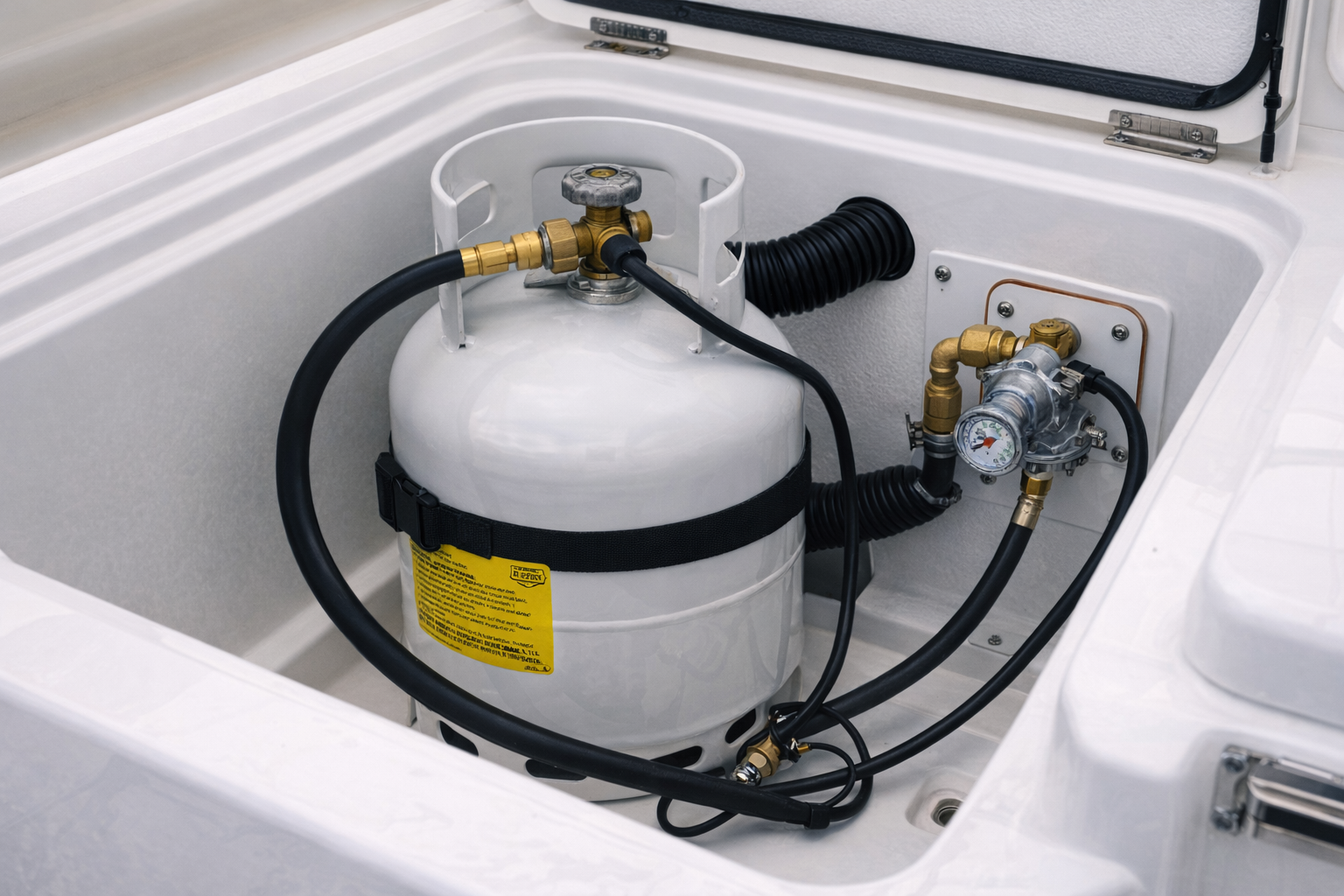
Key risk areas include unsuitable regulators, expired hoses, improper fittings, poor pipe securing, and unsafe cylinder storage. Gas work should only be carried out by competent individuals, as unqualified installations may not be insurable and cannot be certified. Safe systems use LPG‑approved, marine‑grade materials, include proper shut‑off valves and test points, and store cylinders in gas‑tight lockers that drain overboard.

Regular inspection, correct materials, safe operating habits, and the use of gas alarms all play a critical role in reducing risk and ensuring your gas system meets modern safety expectations.
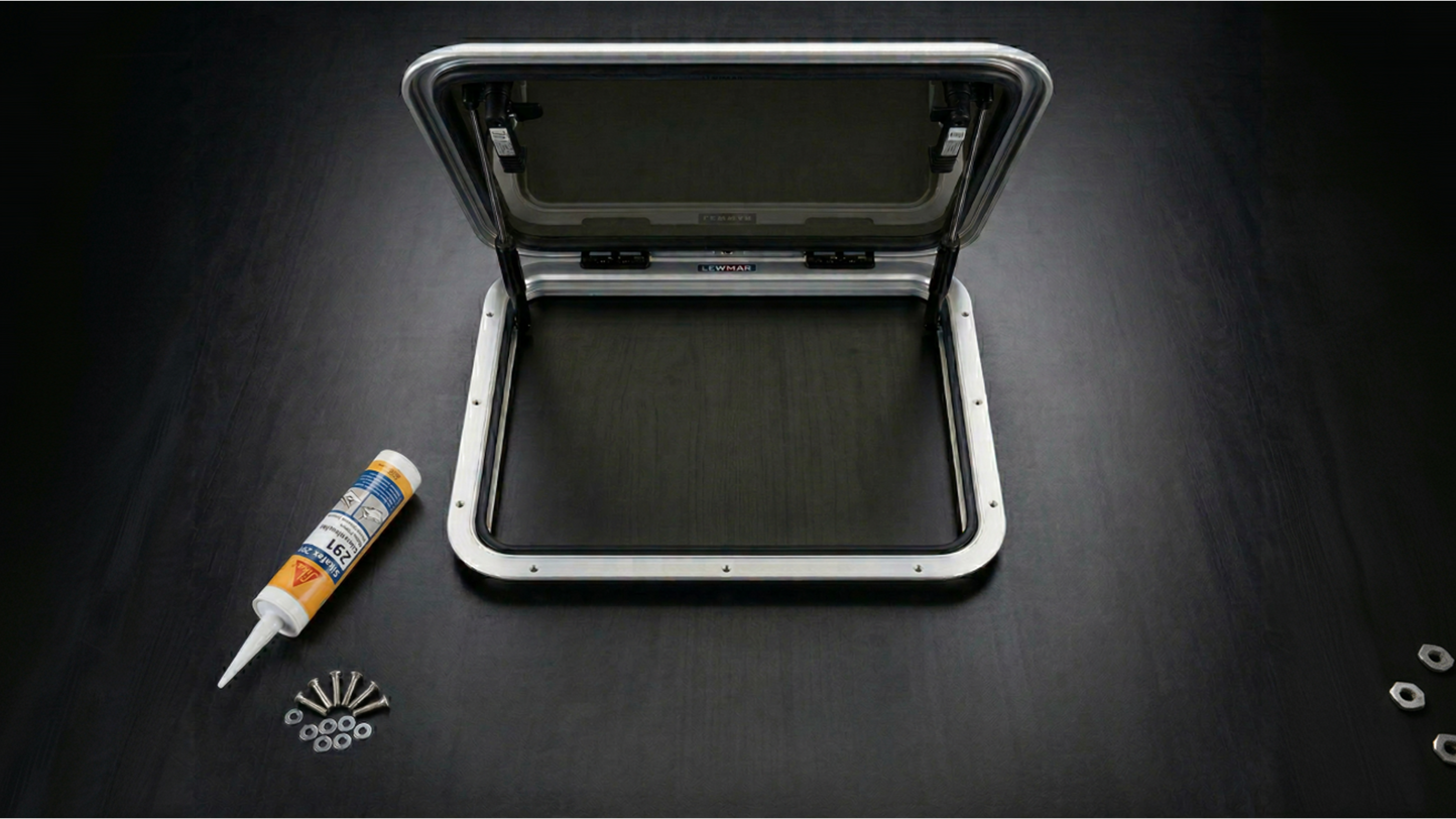
How to Choose the Right Boat Hatches & Hatch Covers for Your Boat
How to Choose the Right Boat Hatches & Hatch Covers for Your Boat

Many boats rely on deck hatches to provide access to storage compartments, bilge areas, and cabin spaces, but not every hatch is designed for every...
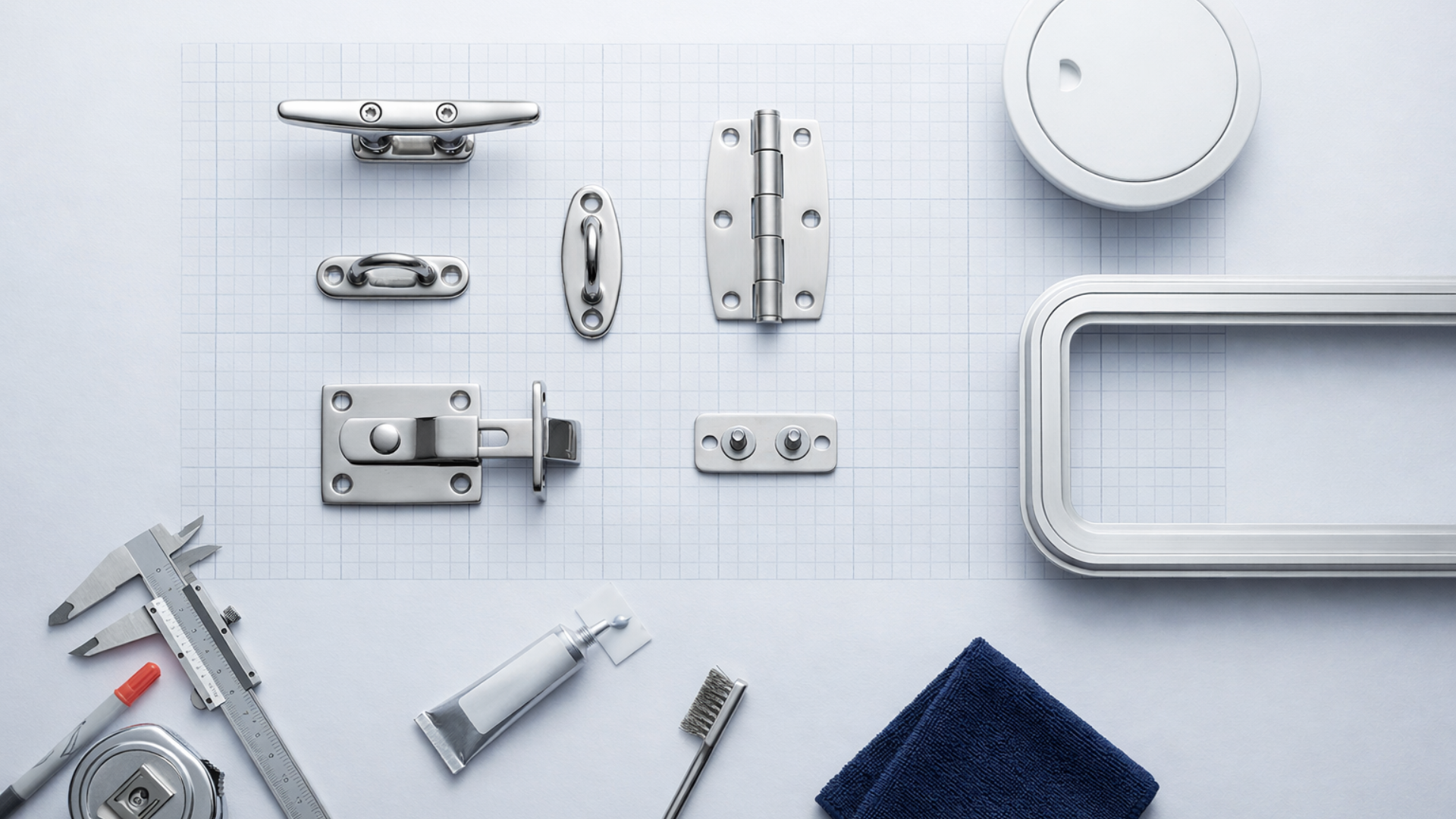
Illustration showing marine hardware such as: Deck Fittings, Hatches & Rail  Systems
The Ultimate Guide to Marine Hardware: Deck Fittings, Hatches & Rail Systems

If you own a boat, the metal parts on your deck are more important than you think. Marine deck fittings, boat hatches, and marine railing systems k...
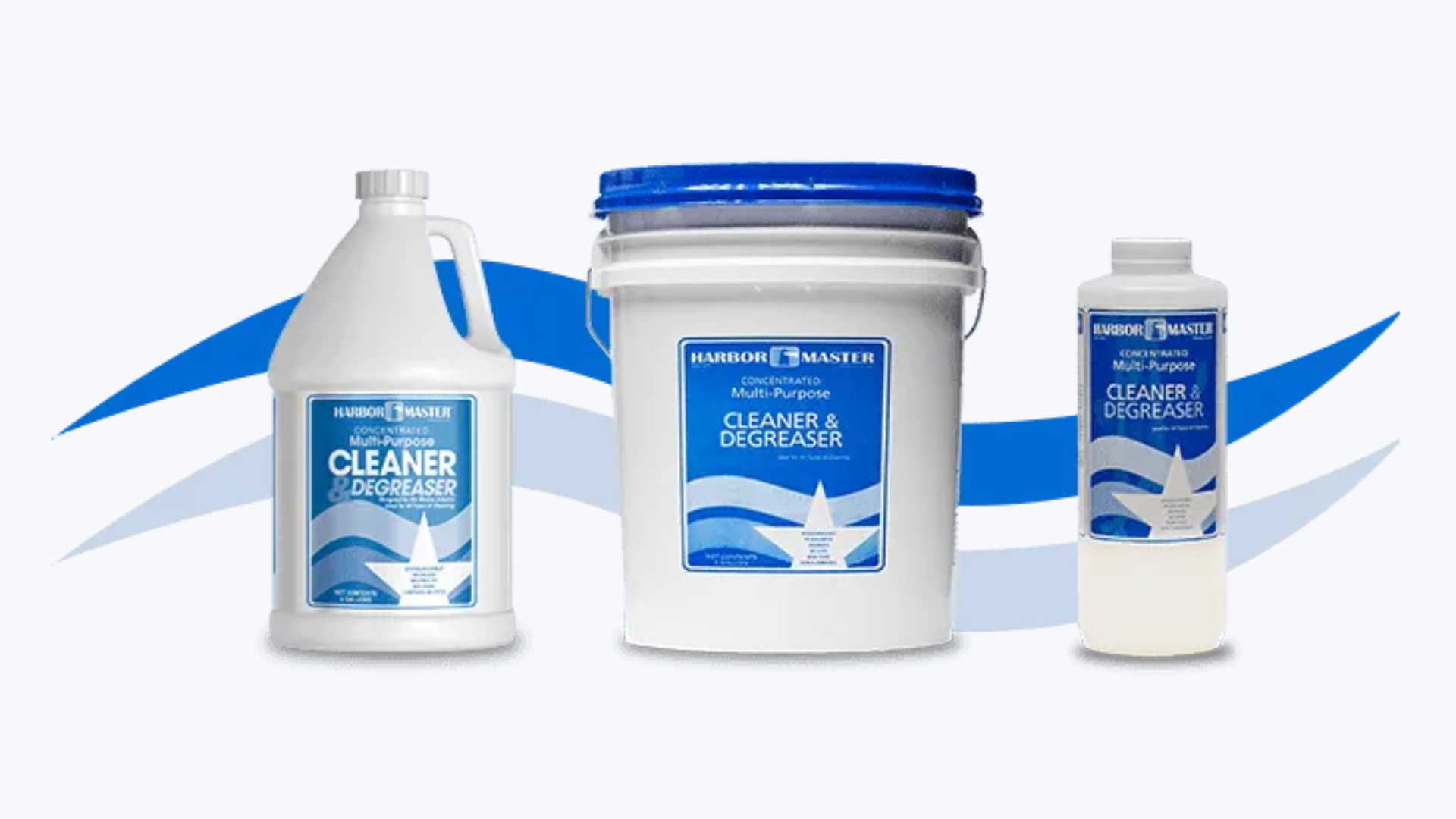
Harbor Master Cleaner & Degreaser: A Proven Marine‑Grade Solution Returns
Harbor Master Cleaner & Degreaser: A Proven Marine‑Grade Solution Returns

For years, Harbor Master Concentrated Multi‑Purpose Cleaner & Degreaser was one of the most requested marine cleaning products across LFS loca...
Restoring Chalky Gelcoat: Compound vs. Wax & Oxidation Removal
Restoring Chalky Gelcoat: Compound vs. Wax & Oxidation Removal

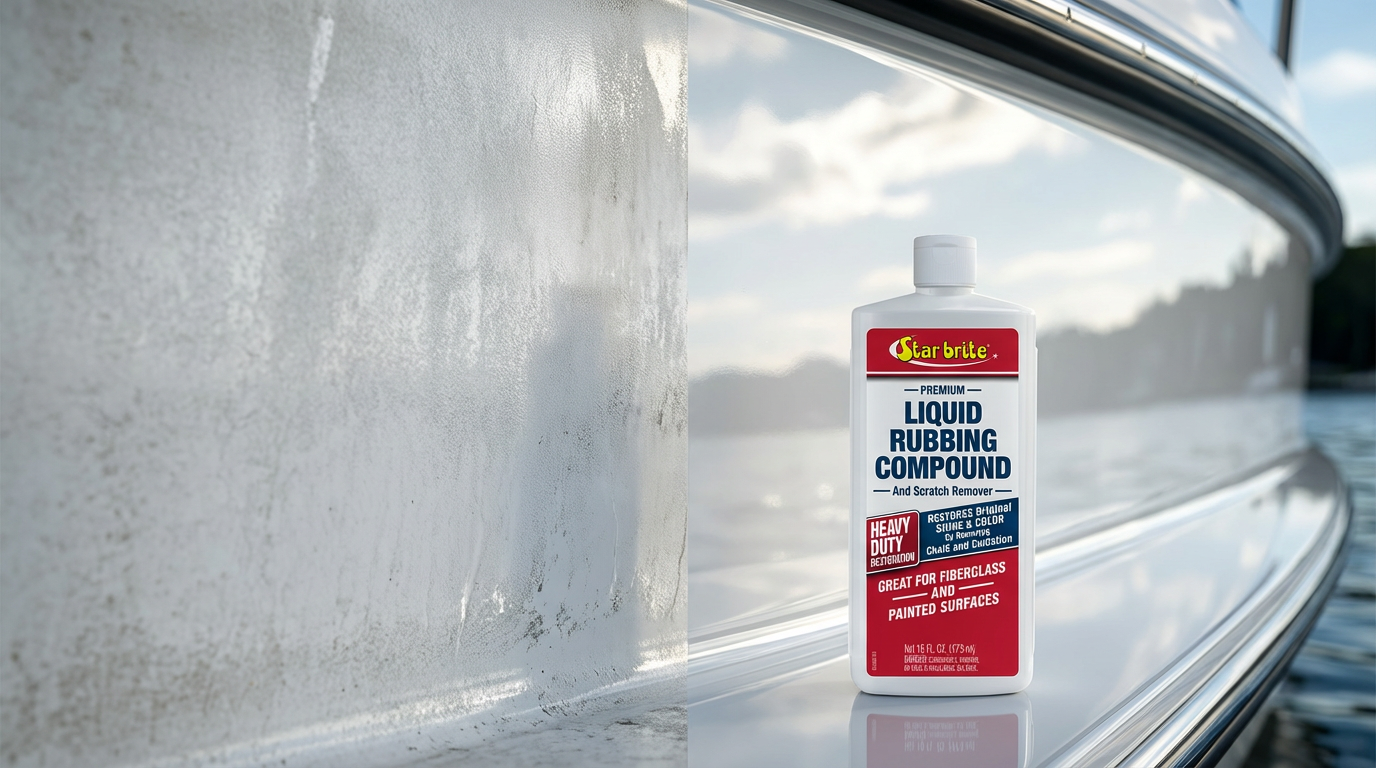
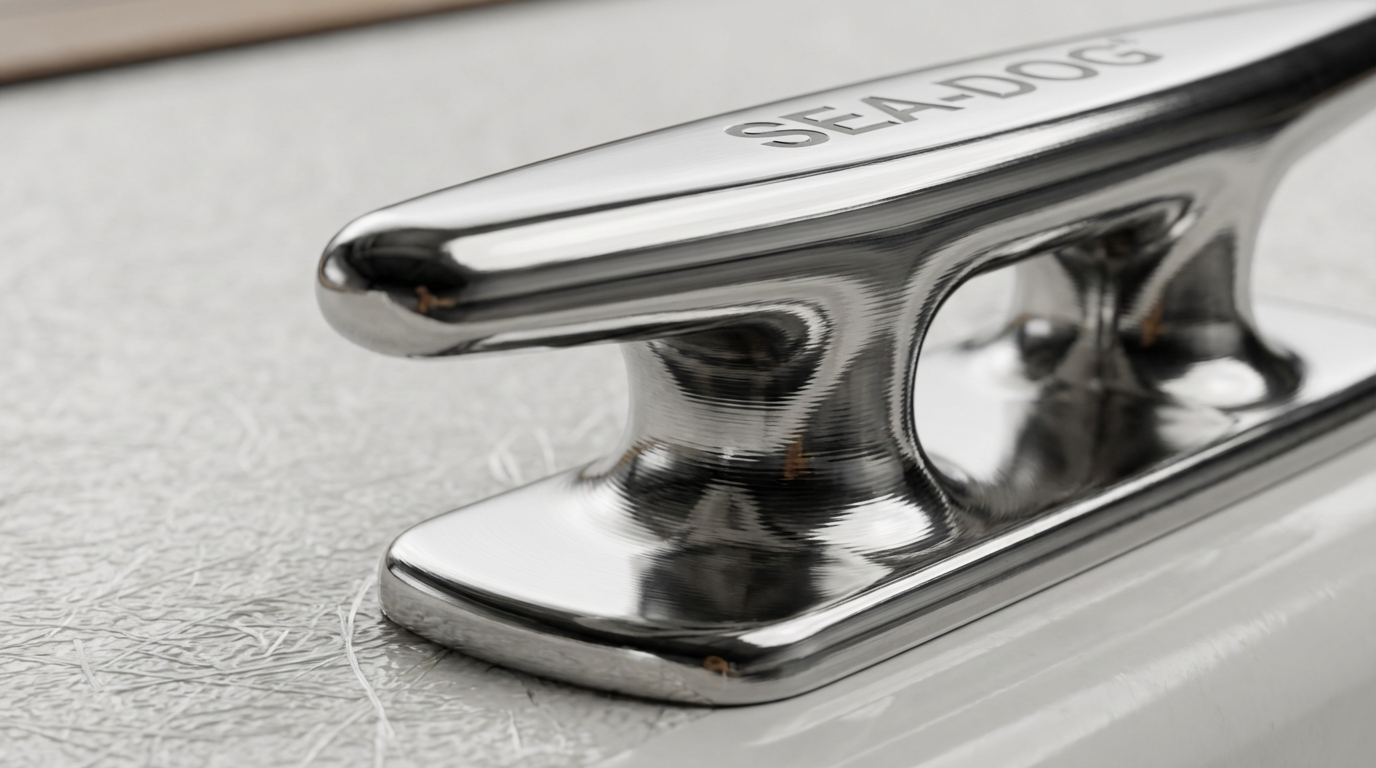
Quick Verdict: Wax does not fix oxidation. If your hull looks "chalky," you must use a Rubbing Compound first to remove the dead gelcoat layer. On...
The Builder's Choice: Attwood, Sea-Dog, and Seachoice Hardware
The Builder's Choice: Attwood, Sea-Dog, and Seachoice Hardware

When you are refitting a boat, finding the exact matching hinge, latch, or switch can be a nightmare. Big box stores stock generic parts, but Go2Ma...
Deck Hardware Refit: Fixing Hatches, Struts, and Scratches

Deck Hardware Refit: Fixing Hatches, Struts, and Scratches

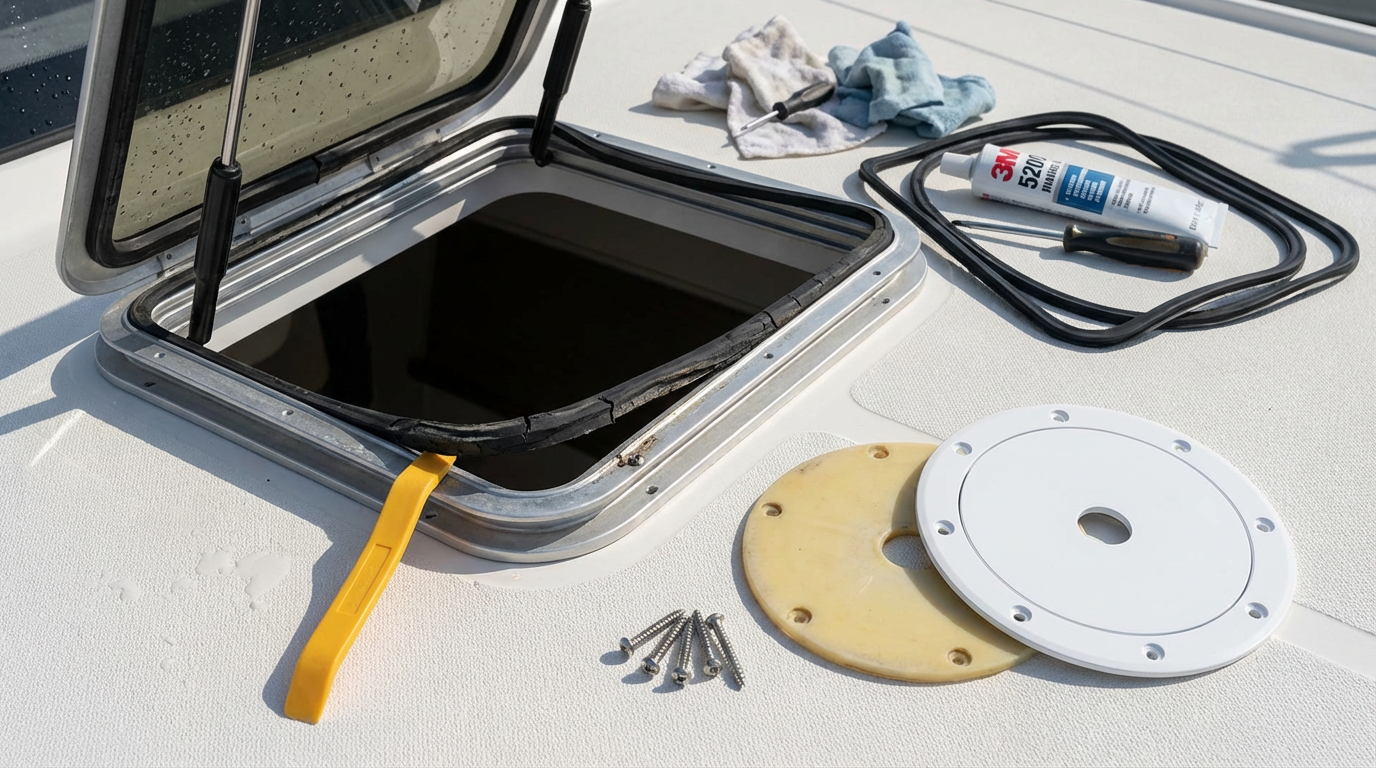
Water intrusion from the deck is the silent killer of boats. It rots bulkheads and ruins headliners. If your deck hardware is aging, it's time to s...
Why Quality Hose Matters

Why Quality Hose Matters

Whether you're a seasoned boat owner, a marine technician, or an aspiring DIY mechanic looking to upgrade your boat’s hose systems, one thing is clear: not all hoses are created equal. When it comes to safety, performance, and longevity, investing in high-quality hoses like the hose available from Trident Marine can make all the difference.

Meet Brian Kennedy: A Lifetime on the Water & Here to Help

Meet Brian Kennedy: A Lifetime on the Water & Here to Help

With over 30 years of hands-on experience operating and maintaining boats across the Pacific, Brian Kennedy has a wealth of real-world marine knowledge. From charter and commercial fishing in Hawaii and Guam to salvage operations, whale watching tours, and even sunken treasure hunts, Brian has done it all.

Preparing for Sea with Electronic Flares: Enhance Your Onboard Safety

Preparing for Sea with Electronic Flares: Enhance Your Onboard Safety

Be prepared for any emergency at sea with the latest electronic flares and signaling devices. Traditional pyrotechnic flares can be hazardous and expire quickly, while electronic flares provide a safer, reusable, and highly visible alternative.